Milkweed plants : Some remedies and fun facts


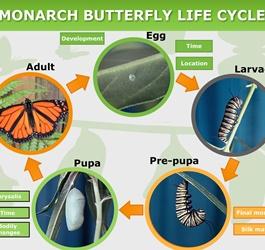
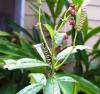
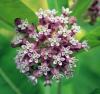
Milkweed plants are popular as the only host plant for monarch butterflies, but do you know it can also be used to treat a certain conditions. Yes! You read that right, the otherwise poisonous milky white sap of the milkweed plant has got a few great usages. In fact, the history of its use dates back to the time when the native Americans taught early European settlers how to properly cook milkweed so that it could be eaten safely. What are its usages? Well, following are some:
- The sap present in the leaves is used to remove warts, and the roots can be chewed to cure dysentery.
- Infusions of the roots and leaves can help suppress coughs and treat typhus fever and asthma.
Note: Not everyone can consume milkweed plants. Only experienced foragers can properly identify and prepare (boil) it. For instance, anybody can mistake asparagus for a milkweed sprout but probably not an experienced forager. Also, in the absence of expert by your side, either don’t risk consuming it or take only a small amount at first, to be sure you don’t have an adverse reaction.
Now that you have read the uses of milkweed plant, besides it being a host for the monarch butterfly, let’s have a look at some of its amazing facts:
- Depending on the kind of environmental conditions and the type of milkweed species, it can survive from 2 to 25 years in the wild.
- While the milky sap is used in the preparation of rubber, the fibers extracted from the plant is used in the manufacture of paper.
- During World War II, there was a shortage of materials for stuffing the life jackets and so milkweed floss was called for as a substitute. In fact, it is still used in the industry of pillows and life jackets.
- It is named milkweed because of the presence of milky sap in the entire plant.
- Some species of milkweed produce toxic chemicals to protect themselves against hungry herbivores.
- The toxins of milkweed consumed by the caterpillars remain in their body after transformation of caterpillars into butterflies, thus providing them protection from birds and other predators.
- Besides via seed, milkweed propagates via division of rhizome.
So, these were some of the remedies and facts about milkweed plant. Hope you like reading it. In case, you wish to attract monarch butterflies in your backyard or garden, you can always buy the best milkweed plant and other products that aid breeding of monarchs from Educational Science -https://www.educationalscience.com/milkweed-plants.
About the Author

Related Posts