Lifecycle of Monarch Butterflies and its migration


Butterflies are one of the most beautiful creatures of the world and are found everywhere except for Antarctica. Butterflies have different species, and one of the most popular ones is the monarch butterfly. You may be aware of the fact that monarch butterflies are indigenous to North America but do you know that due to the extreme cold weather conditions, most of the monarch butterflies migrate from there. However, not all monarch butterflies do; South Florida has its own non-migratory population of monarch butterflies.
Though the migration of monarch butterflies begins in October, under extremely cold temperatures the monarch butterflies may take an early leave. What is amazing is the fact that these are the only insects that can migrate up to 2,000 miles and even beyond sometimes. Besides the extremely cold temperature, another reason for the migration of these butterflies is that the plant on which these feed do not grow in extreme winters. After the cold winter has passed, the second phase of their two-way migration begins with their return back to North America during the spring season. Another interesting thing to mention here is that though these butterflies are expert at two-way migration, it takes up four or five generations of butterflies to complete the trip.
So far we have discussed about the monarch butterflies’ migration. But as the number of these butterflies is constantly decreasing, people should play their part in saving these species from extinction. And here, we have mentioned about the different stages of its lifecycle that may amuse you and make you want to see the magic in your own garden, so let’s read about the different stages of a butterfly:
- Egg to Caterpillar
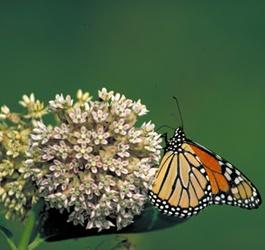
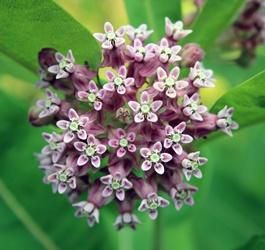
Monarch butterflies lay their eggs on the milkweed plant, also known as the sole host plant for this species. Within 3 to 5 days, the caterpillar emerges from the egg and eats up the egg casing as its first nutrition. It then goes on to survive by feeding on the milkweed plant leaves. If you see a butterfly lay eggs on your milkweed plant, you can either keep the plant or simply the leaf on which it lay, in the butterfly cage.
The caterpillar then goes through 5 distinct stages of growth, each is called as their ‘instar’ stage. It sheds its skin as it grows in size and moves from one caterpillar stage to another. The time it spends in each stage depends on the temperature; the warmer the temperature, the earlier it increases in size and vice versa. The monarch caterpillars have the tendency to increase their mass by 2,000 to 3,000 times their “birth weight” in merely 9-14 days.
- Caterpillar pupate into Chrysalis
After the 5th stage or the 5th instar, the caterpillar no longer needs its host milkweed plant and searches for a safe place to pupate. They look for a perfect place, which is usually the underside of a table, windowsills or anywhere secure for them to spin their silk pad. They hung upside down and curl up forming a ‘J’ shape. They stay in this stage which is popularly known as the ‘hanging in J’ or simply ‘in J’ for 24 hours and after this, they wriggle off their skin.
- Chrysalis to Butterfly
Once the chrysalis is formed, within 12-15 days, you will notice the monarch wings peek through Chrysalis. And then in a few days, a fresh adult butterfly will emerge. You can judge the time of butterfly’s emergence by noticing the change in chrysalis colour; initially it would be darker green and eventually, you will start seeing black and orange colours.
When the butterfly emerges, it hangs itself upside down which is absolutely essential for a monarch to live a normal life. Also, its wings are folded up at first and its body is engorged with fluid; you shouldn’t touch its wings for 3-4 hours until these are completely dry. Once they are dry, you can see them flutter their wings in butterfly cage.
Now that you know the different stages of the lifecycle of butterfly, you may want to raise a few in your garden/backyard to have a real experience of each stage. But raising a butterfly isn’t as easy as it may sound, you may need a few things and butterfly cage being just one of them. Well, at Educational Science, you will find everything that makes it easy for you to raise a monarch butterfly; from a step-to-step guide book for rising butterflies and butterfly release cage to mulberry tree and butterfly farm painted lade butterfly rearing kit, etc. You can read in detail from our books and then buy things needed to help you with raising your favourite butterflies.
About the Author

Related Posts
Milkweed plants : Some remedies and fun facts

Everything that you need to know for growing a butterfly garden