Everything that you need to know for growing a butterfly garden

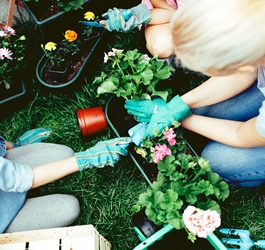
Nothing in the world can beat the beauty of the nature. Being in the lap of the nature calms your nerve down, pacifies you and makes you feel one with the surroundings. Whenever you are unhappy or need to relax your mind from the fast running world, nature offers you the peace and joy that you need. In other words, there is no denying the fact that it feels good to be amidst the natural surroundings. But what is also true is that we can’t always leave our lives behind and go to spend time with mother earth. Having said this, we can always create gardens in our homes and thus develop our personal ecosystems. What ecosystems, you ask? Well, if you want to see more than just trees and plants in your home then grow plants that attract butterflies. Yes! You read that right. While you may not want to invite other insects in your personal space, you would love to build a home for attractive creatures like butterflies, isn’t it?
Creating a butterfly garden is similar to creating any other garden in many ways, for instance:
- Like any other garden, butterfly garden also needs a healthy soil, so mix a certain amount of organic matter to the soil for the plants to grow well.
- You can give any shape to your garden as the shape hardly matters to the beautiful creature.
These were two general tips that are applicable for all gardens and not just a butterfly garden in specific. And now, we will talk about the exclusive needs of a butterfly garden:
Plants for your garden
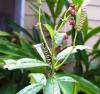
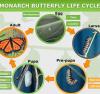
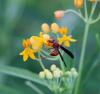
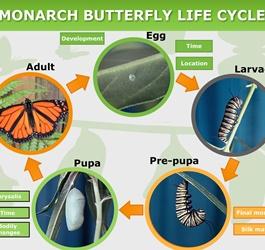
There are basically two kinds of plants needed to attract butterflies, namely: host plants and nectar plants. Nectar plants are the food source for the adult butterflies as they get to drink the nectar from these plants. Host plants offer a promise of food for the next generation as its leaves are eaten up by the caterpillars before becoming a chrysalis (from which the adult butterfly emerges). So while the Nectar plants will attract passing-by butterflies, the host plants will attract egg-laying female adult butterflies. In other words, if you want to create only a temporary butterfly habitat, go for the nectar-rich flowers that attract the insect for only their feed, but if you want to make them stay for a while then plant the host plants along with the nectar plants. Planting varieties will create colonies and larger population of butterflies that stay around.
Butterflies love a sunny garden, usually
Butterflies are cold blooded and require warmth in order to fly; most of them can fly only if their temperature is greater than 65F. While the nectar plants are sun-loving, most varieties of host plants can bear shade. So, plan your garden in a way that you can keep your nectar plant in a good sunlight while the host plant in shade.
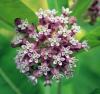
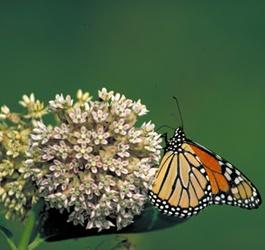
Also, try to buy the varieties of plant that are native to your area. For instance, Milkweed has many different varieties that are suited to different areas of the United States and Monarch butterflies get attracted by only this species of butterfly plant.
- Say no to pesticides for butterfly garden
Pesticides kill insects. So, don’t use them in your garden. If you opt for native plants, you will hardly require pesticides.
About the Author

Related Posts
Milkweed plants : Some remedies and fun facts
Lifecycle of Monarch Butterflies and its migration